
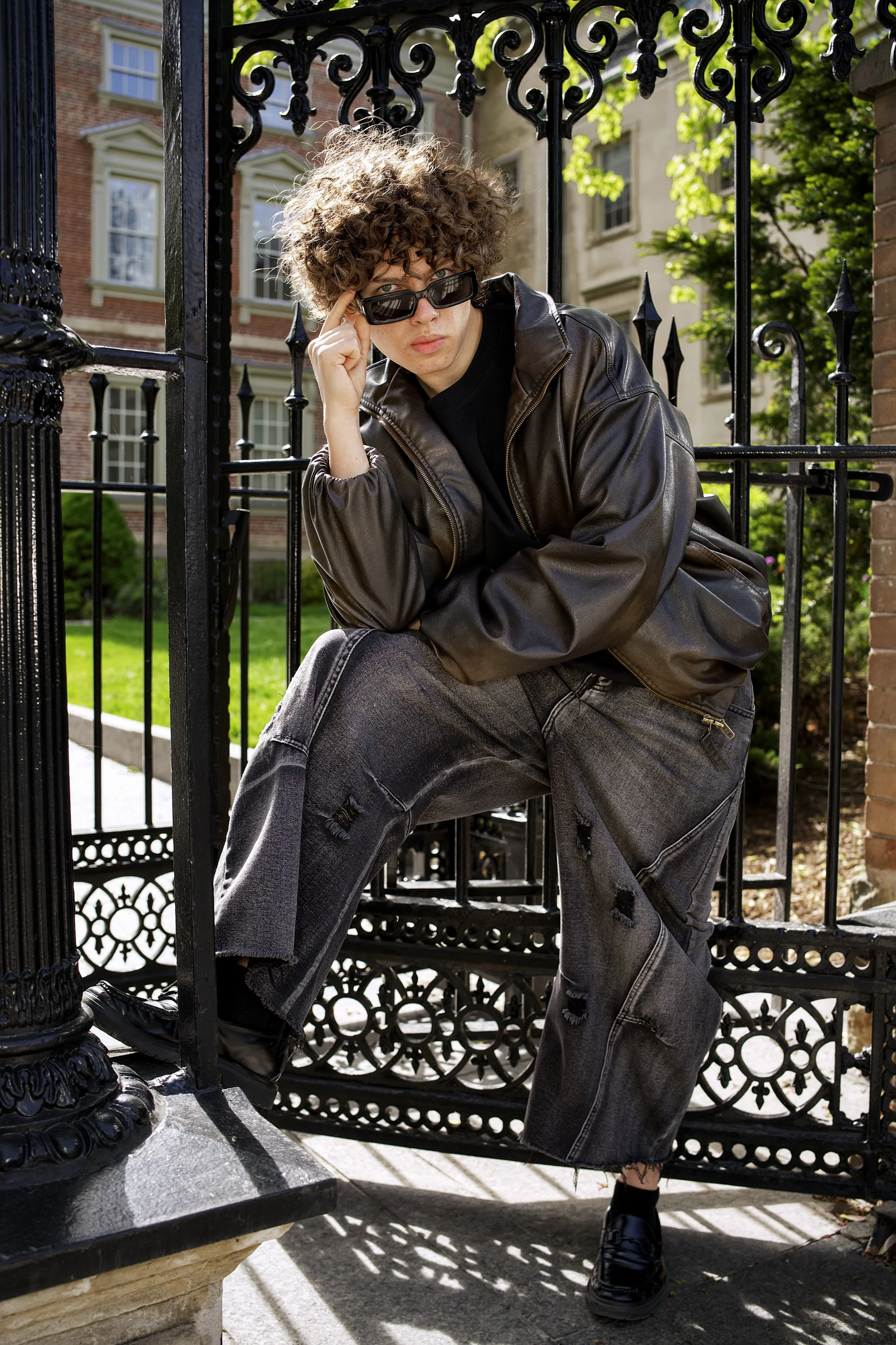
Editorial Photography vs. Commercial Photography: What’s the Difference?
@eugenethechild
@parvizfotos
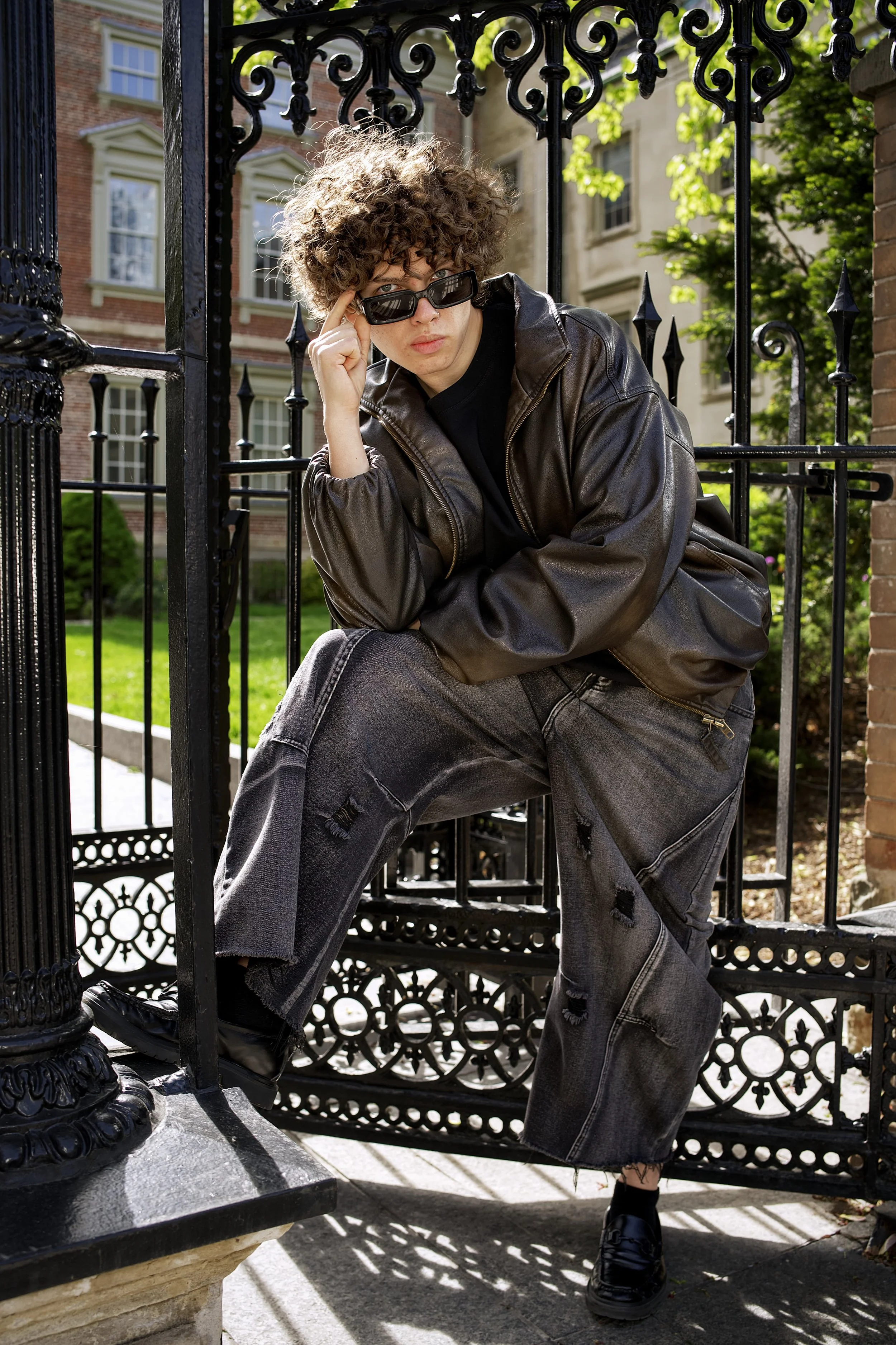
@eugenethechild
@parvizfotos
Photography is more than just taking pictures — it’s about purpose. Two of the most popular styles in the industry are editorial photography and commercial photography, and while they may look similar, they serve completely different goals.
Editorial Photography: Telling a Story
Editorial photography is all about emotion, creativity, and storytelling. Think fashion magazines, cinematic portraits, and lifestyle campaigns that make you feel something.
These shoots are often artistic, dramatic, and concept-driven, giving photographers the freedom to create powerful visuals with personality and style.
Editorial Photography Is Used For:
Fashion magazines
Creative campaigns
Personal branding
Lookbooks & portfolios
The goal? Capture attention through storytelling.
Commercial Photography: Selling a Brand
Commercial photography is designed to market a product, service, or business. Every image has a purpose: attract customers and drive results.
From product photos to business branding and social media content, commercial photography focuses on creating clean, professional visuals that convert viewers into clients.
Commercial Photography Is Used For:
Advertising campaigns
Product photography
Business websites
Social media marketing
The goal? Turn attention into action.
The Main Difference
Editorial photography tells a story
Commercial photography sells a product
Today’s strongest brands often combine both — using storytelling and creativity to create marketing that feels authentic, modern, and engaging.
Whether you’re building a portfolio or growing a business, choosing the right photography style can completely change how your audience connects with your brand.
Quick Guide to Winter Photography: Tips for Stunning Cold-Weather Shots
Quick Guide to Winter Photography: Tips for Stunning Cold-Weather Shots
Winter transforms familiar scenes into quiet, glowing landscapes—and with the right approach, it can be one of the best seasons to shoot. Here’s a simple, streamlined guide to help you capture beautiful winter images.
---
1. Use the Soft Winter Light
The sun stays low all day, giving you flattering, diffused light for portraits and landscapes. Take advantage of longer golden hours and gentle shadows.
---
2. Expose Properly for Snow
Snow can trick your camera into underexposing. Brighten your image by +1 to +2 stops, shoot in RAW, and keep your whites looking clean, not grey.
---
3. Protect Your Gear
Cold drains batteries fast—bring extras and keep them warm. Let your camera warm up slowly when returning indoors to avoid condensation.
---
4. Add Color and Contrast
Winter scenes can look flat, so incorporate pops of color—bright jackets, warm accessories, or natural greens—to make your subject stand out.
---
5. Capture the Details
Look for frost patterns, snowflakes, footprints, and textures. Small details add storytelling and depth.
---
6. Use Snow for Motion and Mood
Fast shutter speeds freeze falling snow; slower speeds create dreamy motion. Backlighting can make snow sparkle.
---
7. Tell a Cozy, Winter Story
Whether it's a couple walking through fresh snow or warm breath in the cold air, aim to capture the feeling, not just the scene.
---
Winter photography is all about preparation, creativity, and noticing the quiet beauty around you. Bundle up, stay safe, and enjoy the magic of the season.
---
If you want it even shorter—like a micro-blog, Instagram caption, or newsletter blurb—I can condense it further!
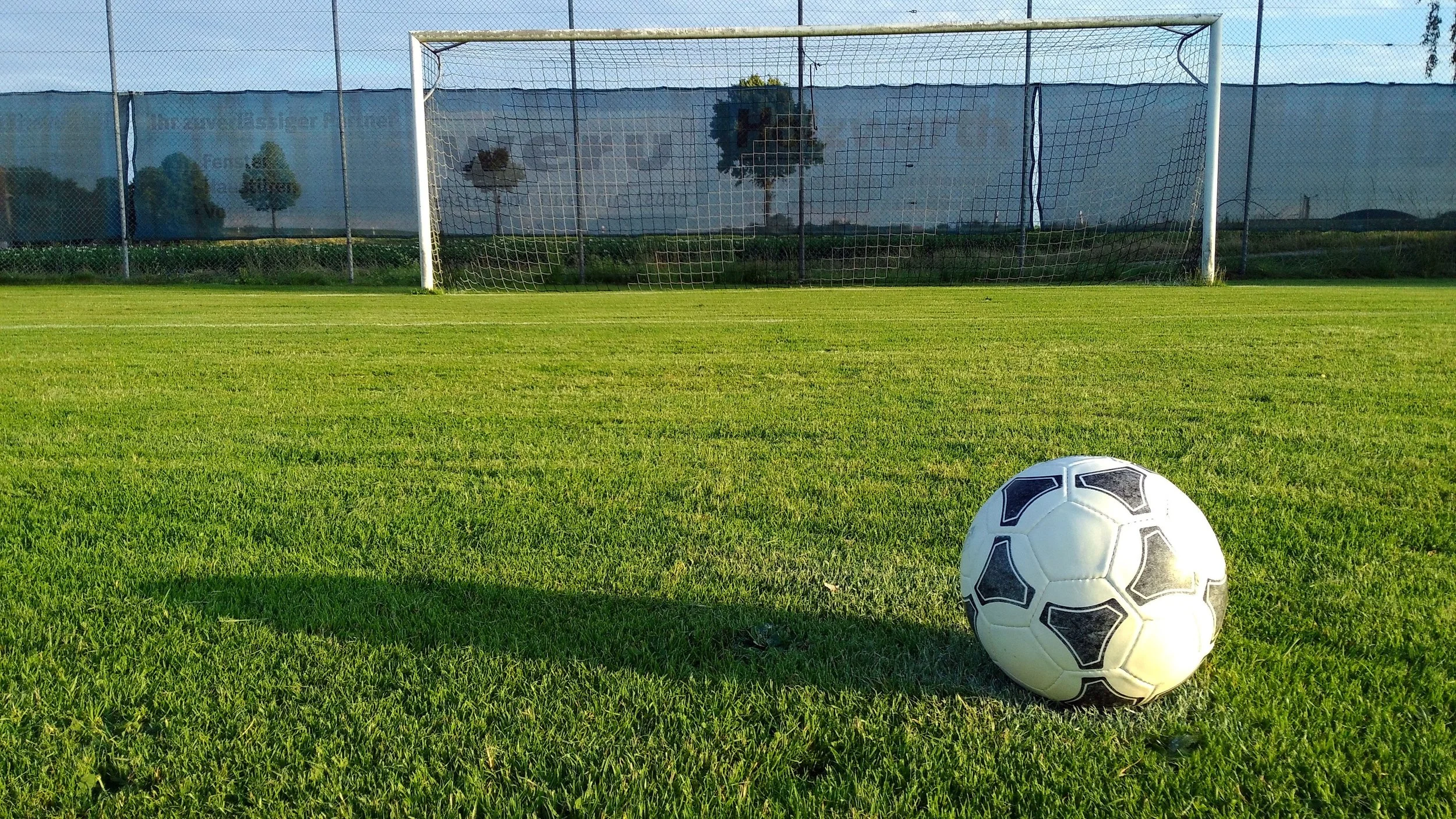
FIFA World Cup 2026 Is Taking Over Toronto ⚽🔥
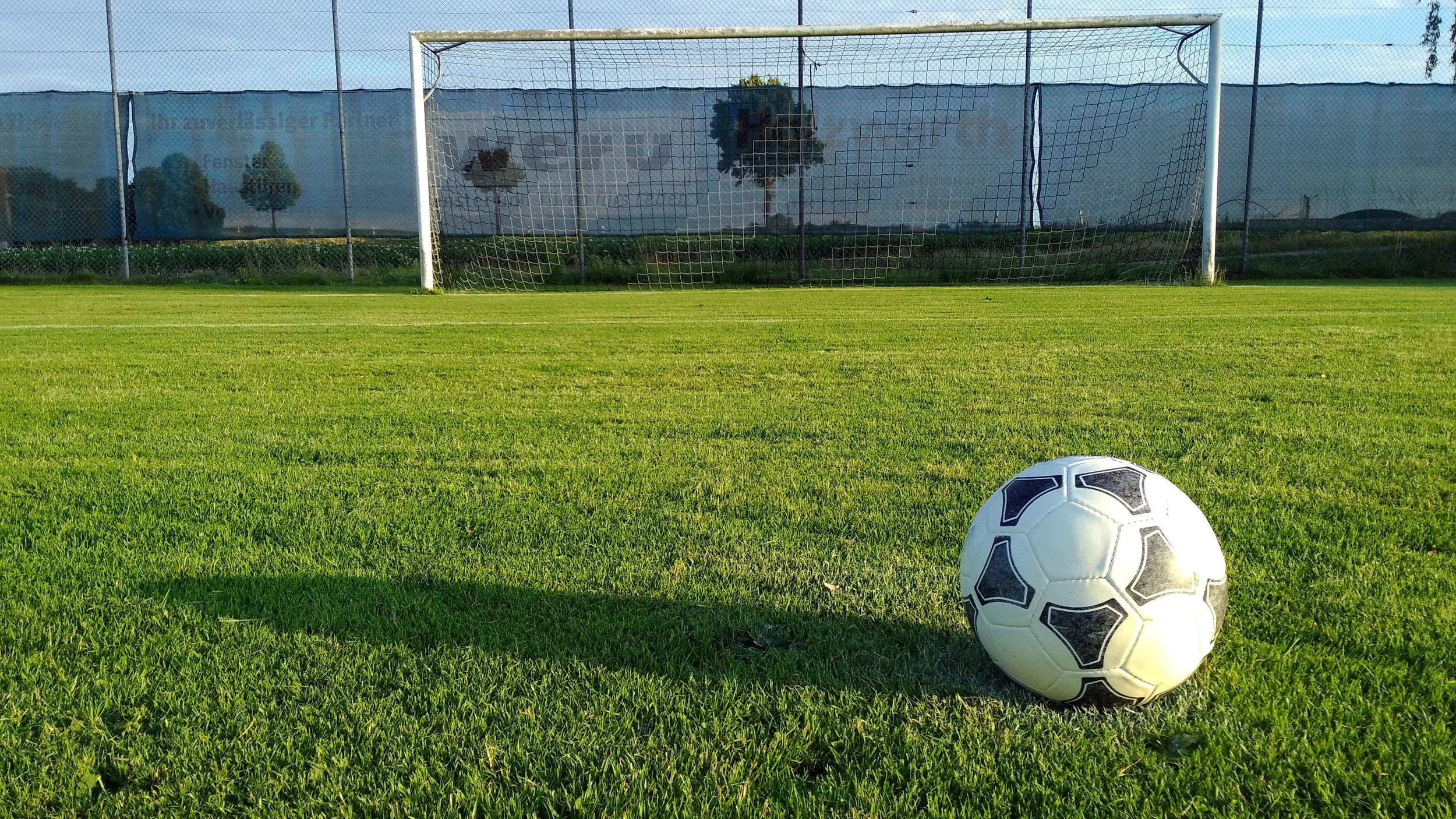
Toronto is about to become the center of the world.
In the summer of 2026, millions of eyes will be locked onto our city as the FIFA World Cup arrives in Toronto for one of the biggest sporting events in history. The streets will be louder. The energy will be unmatched. The city will transform into a global celebration of football, culture, music, and unforgettable moments.
For the first time ever, Canada will host FIFA World Cup matches — and Toronto is leading the charge.
Toronto Will Make History
Toronto is officially hosting six FIFA World Cup 2026 matches, including Canada’s opening game on June 12, 2026. Fans from around the world will flood the city, creating an atmosphere unlike anything Toronto has ever seen.
From packed patios and watch parties to viral street celebrations and nonstop nightlife, every neighbourhood will feel the impact of the World Cup. Downtown Toronto will become a sea of flags, jerseys, chants, and international pride.
And at the heart of it all? BMO Field — transformed into a world-class FIFA stadium ready for the global spotlight.
The Entire City Will Feel Alive
This won’t just be about soccer.
The FIFA World Cup is expected to bring massive fan festivals, live entertainment, celebrity appearances, cultural events, food pop-ups, concerts, and unforgettable experiences across the city. Whether you’re in the Distillery District, Queen Street West, Kensington Market, or outside the stadium itself, Toronto will feel electric from day to night.
Imagine:
Thousands of fans singing in the streets after a last-minute goal
Packed outdoor viewing parties across the city
International food, music, and culture colliding in one place
Content creators, photographers, filmmakers, and influencers capturing history in real time
Viral moments happening everywhere you look
Toronto isn’t just hosting games — it’s hosting the world.
A Huge Opportunity for Creators & Businesses
For local photographers, videographers, brands, restaurants, and creatives, FIFA World Cup 2026 is more than an event — it’s a massive opportunity.
With tourism expected to skyrocket, businesses will have the chance to connect with a global audience. Content creators will have endless opportunities to capture the emotion, fashion, energy, and culture surrounding the tournament.
Every corner of the city will become a backdrop for storytelling.
Summer 2026 Will Be Legendary
Toronto has hosted major events before — but nothing on this scale.
The FIFA World Cup will bring a level of excitement, unity, and worldwide attention the city has never experienced. Whether you’re a die-hard football fan or just here for the atmosphere, summer 2026 is shaping up to be one of the most unforgettable moments in Toronto history.
The countdown has already begun.
⚽ The world is coming.
🔥 Toronto is ready.
🌎 FIFA World Cup 2026 starts here.

Remember these 3 street photography safety tips for photographers.
Parviz
I adore street photography; it is one of my favorite genres in photography. The streets are always open, vibrant, and bustling with bright city lights, with a consistent fast paced-changing environment that is almost perfect for photographers, especially in big cities.
So, what exactly is street photography and who can do it? According to Britannica’s definition, “Street photography is a genre of photography that records everyday life in a public place.” Anyone interested in capturing digital media in a public setting can do street photography if they are up for an adventure and have a reliable camera.
Photography is an expensive hobby, and it carries the risk of theft or physical altercations, especially in larger cities. Therefore, here are three steps to stay safe while doing street photography.
1. Pack light
It is best to pack light for photography when you are in a public space. Carrying less equipment makes you more mobile and efficient. It is easier to keep track of your gear and reduces the chance of forgetting something. Heavy backpacks slow you down, also consider using compact cameras. While this equipment setup may have limitations, it is better to prioritize mobility over carrying too much. After years of experience, I have found that packing light and being limited is better than being weighed down by unnecessary gear. It is more effective and stress-free to pack light.
2. Location, Location, Location!
As the saying goes in real estate, your choice of photoshoot locations is crucial for both content creation and your safety. It is important to avoid neighborhoods with high crime rates and theft, no matter how creative you think your shots might turn out. If you are not familiar with a particular neighborhood, it is best to steer clear altogether. However, if you do decide to proceed, travel in groups, hire security, or befriend someone from the area to act as your guide. I am not a criminologist, but I also recommend daytime photoshoots over nighttime ones for obvious safety reasons. Photography is an expensive hobby or profession, and theft is always a concern for photographers, so choose your locations wisely. If you are meeting someone new, please always do that in a public setting during the daytime, and let a friend or family member know where you are going and when you plan to get back home. In emergencies, do not hesitate to call 911; your safety always takes precedence over photography.
3. Awareness
Prepare yourself mentally, as anything can happen in street photography. You may encounter catcalling, people questioning your activities, public safety issues, security asking you to leave private property and traffic violations. Always seek permission before shooting on private property. Stay focused to avoid accidents, especially in the presence of bad drivers. Be aware of the weather also—floods, thunderstorms, tornadoes, or earthquakes may occur. Lastly, remember these guidelines:
· Avoid displaying your equipment in public as much as you
· Keep both hands on your camera at all times
· Keep your camera discreet, or put it away, particularly on public transportation
· Never leave your equipment unattended
· Don't trust anyone to hold your camera, even for a second
· opt for on-camera flash over off-camera flash with a tripod for mobility purposes
· Refrain from divulging the true cost of your equipment to strangers
· Avoid approaching large groups, especially at night
· If you are unwell due to illness, medication, or alcohol consumption, it is best to postpone your photoshoot until a later date.
· Comply with law enforcement personnel and adhere to the laws of your local state or province.
· Always pack light and choose locations carefully. Stay alert and focused!
Get inspired and go out there, but remember to stay safe. Street photography is a great way to expand your portfolio, whether you are a seasoned veteran or a beginner. There is a little something for everyone in street photography. Enjoy, and remember to be safe out there!
DISCLAIMER:
The material and information in this article are for general informational purposes only and do not constitute legal or other professional advice. The owner is not associated with law enforcement and does not have any special public safety training. Any views and opinions in this blog are personal and belong only to the blog owner. They do not represent the views and opinions of people, institutions, or organizations that the owner may or may not be associated with in a professional or personal capacity unless explicitly stated. The owner will not be liable for any errors or omissions in this information; you should always consult a professional before making any decisions. Furthermore, the owner will not be responsible for the availability of this information; the owner will not be accountable for any losses, injuries, or damages from the exposure or usage of this information.